
- The Buildup of Heat: Stages of Heat Stress
- Causes Of Heat Stress
- Signs And Symptoms of Heat Stress
- What to Do When A Worker Suffers from Heat Stress
- Heat Stress Prevention Tactics
- Who’s At Risk For Heat Stress?
- The Occupational Safety And Health Administration (OSHA) Take On Heat Stress
- Prevent Heat Stress With Creative Safety Supply
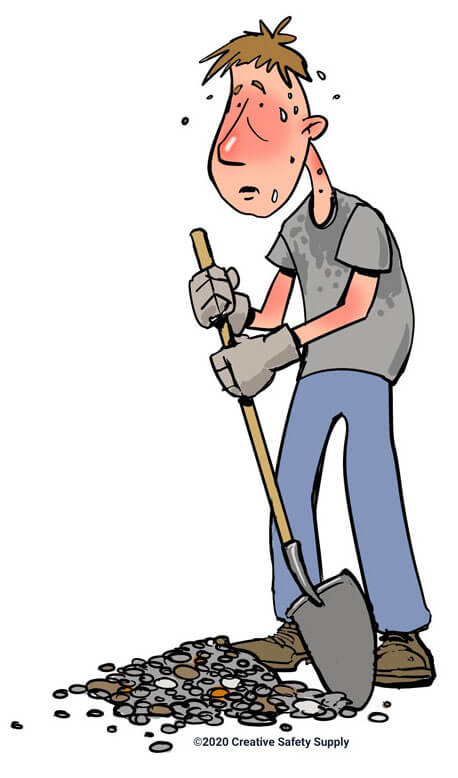
Heat stress is an illness that can be caused by exposure to extreme heat. Heat stress occurs when the human body cannot cool itself, leading to heat accumulation and causing heat-related illnesses like heat cramps, stroke, and exhaustion. It’s crucial to recognize these signs, seek medical attention, and prevent symptoms through hydration, shade, and rest.
Being a common health hazard in workplace environments, this guide helps you understand the stages of heat stress and recognize heat stress-related symptoms, causes, and preventative measures you can take to ensure workplace safety.
Are your employees at risk for heat-related illnesses?
Our Heat Stress Calculator helps you determine heat stress levels for outdoor workers.The Buildup of Heat: Stages of Heat Stress
Occupational heat stress can generate heat stress-related symptoms, which can induce fatal illnesses, including death. The buildup of heat in the human body can manifest in three stages, which makes it easier to take heat stress prevention measures to prevent the possibility of a heat stroke.
- First stage of heat stress: Heat Cramps.
- Excessive sweating causes the body to lack salt and water and initiates severe muscle contractions in the hands, calves, and feet. Muscle cramps are an involuntary response that spontaneously stops after a period of time. However, soreness may persist for 24-48 hours.
- Second stage of heat stress: Heat Exhaustion
- Persistent strenuous physical activity with extended periods of exposure to heat and humidity will result in an increase in the body’s core temperature. Heat stress symptoms like headache, dehydration, low-grade fever, nausea, or vomiting contribute to the possibility of stroke if left untreated.
- Last stage of heat stress: Heat Stroke
- The final stage is heat stroke; anyone experiencing heat stress symptoms should receive immediate medical attention. Continuous exposure to heat combined with physical exertion can stimulate the possibility of a heat stroke.
Causes Of Heat Stress
Heat stress can occur for various reasons, including age, environment, and health conditions. However, it can occur for two primary reasons:
Environmental Factors: High climatic conditions, humidity, limited air movement, and radiant heat sources like sunlight or hot surfaces.
Work-Related Factors: Strenuous physical labor, heavy or non-breathable clothing, and lack of acclimatization to hot conditions.
Besides environmental and occupational factors, additional factors can be the reason behind heat stress within the human body:
Lack Of Hydration: Insufficient fluid intake hinders the body’s natural cooling mechanism through sweating and leads to a drop in blood pressure, further increasing the potential of heat stress-related symptoms.
Underlying Health Conditions: Certain health conditions like diabetes, heart conditions, and additional health factors impair the body’s natural ability to respond to heat, making such individuals vulnerable to heat stress at a slight increase in temperature.
Signs And Symptoms of Heat Stress
You may not notice your body is under heat stress until it’s too late, making it crucial to look out for common symptoms and signs that indicate your body is in dire need of replenishment and rest. Here are some common symptoms of heat stress you need to watch out for:
- Fatigue
- Sudden and severe headaches or nausea
- An increase in incidents
- A lack of alertness
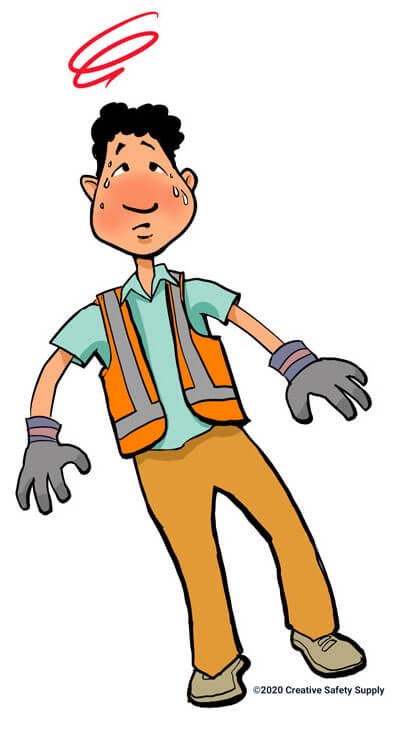
- Dizziness or fainting
- Clammy, cold, or pale skin
- Cramps or pains in the muscles
- A weak or fast pulse
- Excessive sweating
What to Do When A Worker Suffers from Heat Stress
When it has been determined that a worker is ill due to the heat, remain calm and get help immediately. If there is not a supervisor nearby or the supervisor determines it’s a serious situation, call 911. If possible, move the worker into the shade or a cooler area, remove any outer clothing, and have someone stay with them until help arrives. As soon as possible, provide cool water for the worker to drink, apply ice, and attempt to fan or mist them. If the worker is confused or unable to stay alert/conscious these are indications they may be suffering from a heat stroke. In this case, call 911 immediately and apply ice as soon as possible.
An important aspect of assessing heat illness is creating a buddy system for workers. Implementing this system brings attention to occupational risks and ensures that action is taken as quickly as possible. Workers should be familiar with the symptoms of heat illnesses and heat stroke in particular in order to monitor the situation. Or, a responsible person may be designated to monitor conditions and protect workers. A complete heat illness prevention program will prevent injuries and fatalities.
Heat Stress Prevention Tactics
Heat stress can be addressed from both sides: the employers and employees who are individually responsible for creating a safe working environment that mitigates such risks.
Employers Can:
- Develop a work schedule that allows employees to rest between tasks that require strenuous physical activity. By providing refreshments and carbohydrate drinks can reduce the risk of heat stress in an individual.
- Keep a tab on the temperature for each day and distribute the tasks accordingly, especially on hot days.
- Train workers to recognize the signs and symptoms, empowering them to seek immediate medical attention when necessary.
- Strategically place a first aid kit for quick and easy access. This position allows employees to address symptoms during the golden time to minimize risks.
- Provide employees with an adjustment period where they can regulate themselves accordingly to acclimate to a hot environment.
- Equip the workplace with safety signs or posters about heat stress that alert employees of natural hot zones where there is a noticeable change in temperature during certain time zones.
- Provide personal protective equipment (PPE), which helps keep employees safe from drastic conditions such as heat exhaustion or heat stroke.
Employees Can:
- Learn to recognize the signs and symptoms of heat stress. Distribute the work, communicate underlying health conditions with your supervisor, and replenish yourself.
- Take breaks and hydrate yourself regularly after 15 to 20 minutes or so.
- Remember to wear PPE before a task to mitigate the risks of heat stress. (e.g, wear a hat when working under direct sunshine.)
- Recognize the safety signage and abide by the safety instructions to foster a culture of workplace safety.
Who’s At Risk For Heat Stress?
Specific work environments may put workers at risk for heat stress. These environments are either outdoors or within a confined heated space, and they include:
- Farms
- Construction sites
- Exterior painting sites
- Factories
- Oil and gas well operations
- Hazardous waste sites
- Plants such as chemical or brick-firing plants
- The outdoors (pools; landscaping; maintenance)
- Bakeries
- Firefighting and other emergency response
The following people mentioned below are at a higher risk of heat stress and often face difficulty recovering from it.
- Workers who are 65 years or older.
- Individuals with poor blood pressure, heart disease, and other underlying health conditions.
- People who are taking certain medications that create heat within the body.
- People who are obese.
- Workers who have not performed in hot environments before
The Occupational Safety And Health Administration (OSHA) Take On Heat Stress
The Occupational Safety and Health Administration (OSHA) is committed to addressing potential health hazards workers fall victim to, including heat stress. To mitigate such risks, OSHA released a quick card related to heat stress that provides crucial information to workers. This includes the signs and symptoms, risks, and prevention against heat stress. By following such precautions, employees can build a safe environment that protects workers from occupational hazards, like heat stress.
Prevent Heat Stress With Creative Safety Supply
Heat stress is a common workplace hazard found across multiple industries, making it essential to implement prevention tactics to eliminate the risk of liabilities. At Creative Safety Supply, we provide a range of safety signage and posters that alert workers to potential hazards and practice caution. This safety technique fosters a culture of workplace safety, boosting employee morale and increasing overall productivity and safety. To bring that change into your organization, allow Creative Safety Supply to be your guide.
Additional Heat Stress facts:
- Heat stress is the effect of heat load on a worker’s body from exposure to a combination of factors such as the environment, metabolic heat, and clothing. Heat stress causes the body to lose the ability to control heat and can lead to heat exhaustion and heat stroke. Source: https://safetyculture.com/topics/heat-stress/
- Heat stress can result in heat stroke, heat exhaustion, heat cramps, heat syncope, heat rash, or rhabdomyolysis. These conditions vary in severity and symptoms, but all require immediate medical attention. Source: https://www.cdc.gov/niosh/heat-stress/about/illnesses.html
- Workers who are exposed to extreme heat or work in hot environments may be at risk of heat stress. Exposure to extreme heat can result in occupational illnesses and injuries. Workers at risk of heat stress include outdoor workers and workers in hot environments such as firefighters, bakery workers, farmers, construction workers, miners, boiler room workers, factory workers, and others. Source: https://ehs.research.uiowa.edu/occupational/heat-stress
- Workers at greater risk of heat stress include those who are 65 years of age or older, are overweight, have heart disease or high blood pressure, or take medications that may be affected by extreme heat. Source: https://www.mayoclinic.org/diseases-conditions/heat-exhaustion/symptoms-causes/syc-20373250
- Prevention of heat stress in workers is important. Employers should provide training to workers so they understand what heat stress is, how it affects their health and safety, and how it can be prevented. Source: https://www.osha.gov/heat-exposure
- Some of the prevention measures for heat stress include: acclimatization, rest breaks, fluid intake, shade, ventilation, cooling fans, personal protective equipment, and heat stress monitoring. Source: https://safetyculture.com/topics/heat-stress/
- Heat stress is one of the most frequently cited OSHA standards, with over 4,000 violations issued in fiscal year 2020. The most common violations include failure to maintain a written program, failure to provide training, and failure to monitor the heat index. Source: https://www.cdc.gov/niosh/heat-stress/about/illnesses.html
Similar Articles
- Heat Exhaustion and the Dangers of High Temperature Exposure
- Heat Shrink Tubing
- OSHA’s Guidelines to Protecting Employees from Coronavirus
- What is HAZCOM? (Hazard Communication Definition + OSHA Standards)
- Eyewash Stations
- Mine Safety & Health [Expert Advice]
- Job Hazard Analysis: Addressing Coronavirus Risk in Your Workplace
- Fall Protection in the Workplace: OSHA’s Guidelines
- Understanding OSHA/ANSI First Aid Kit Requirements
- Safety Protocols for Construction Sites